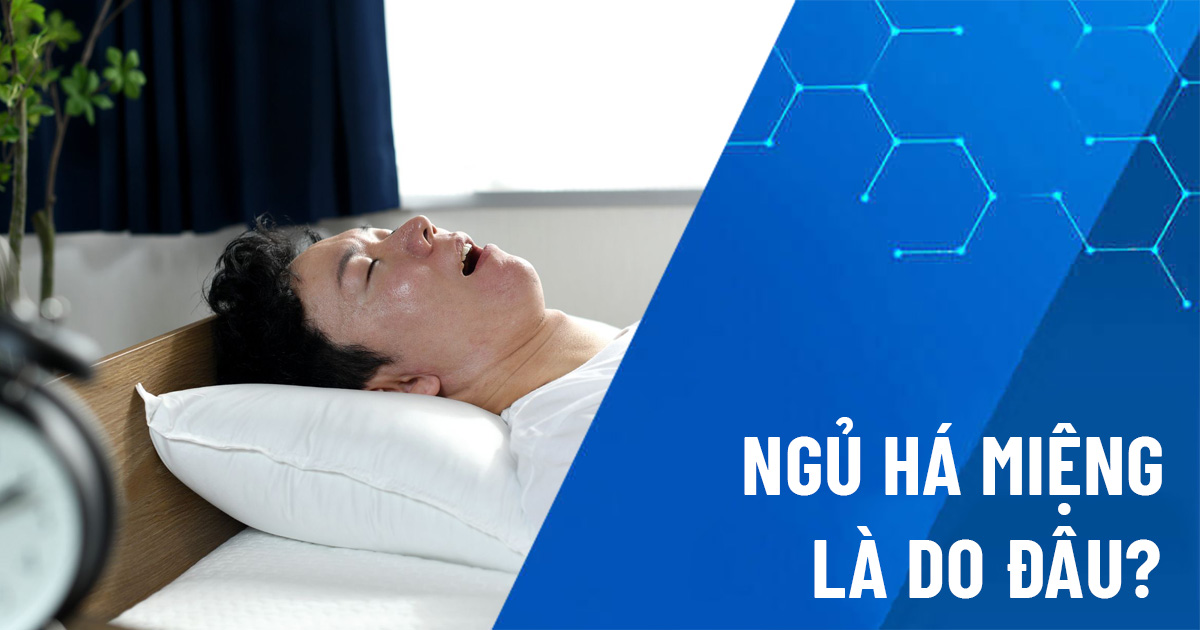
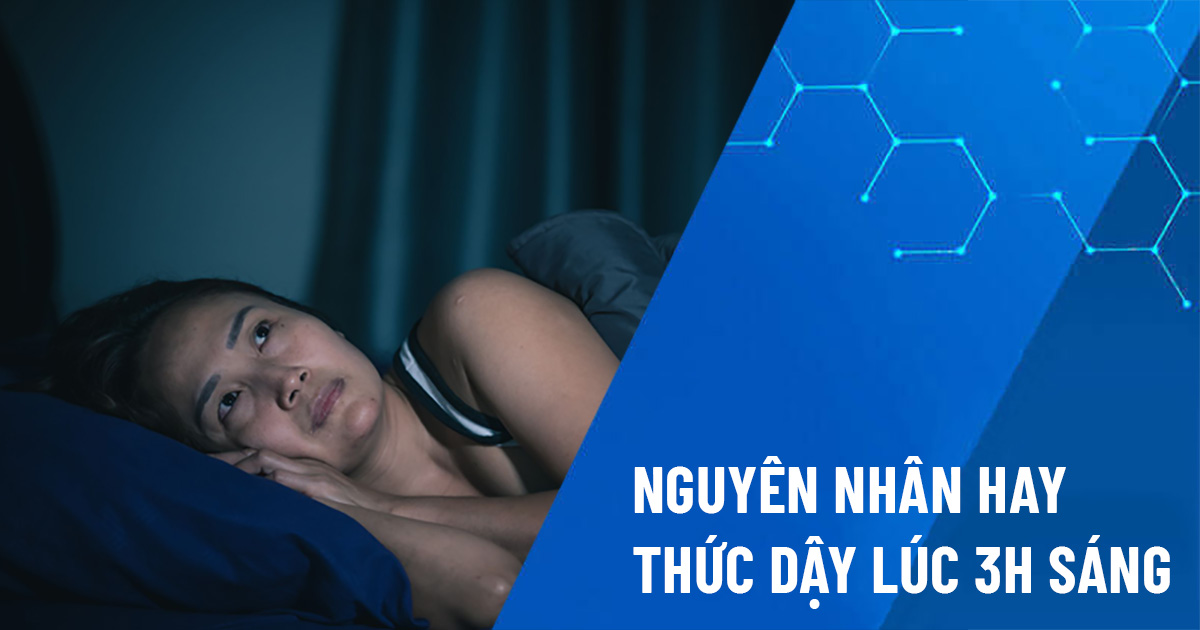
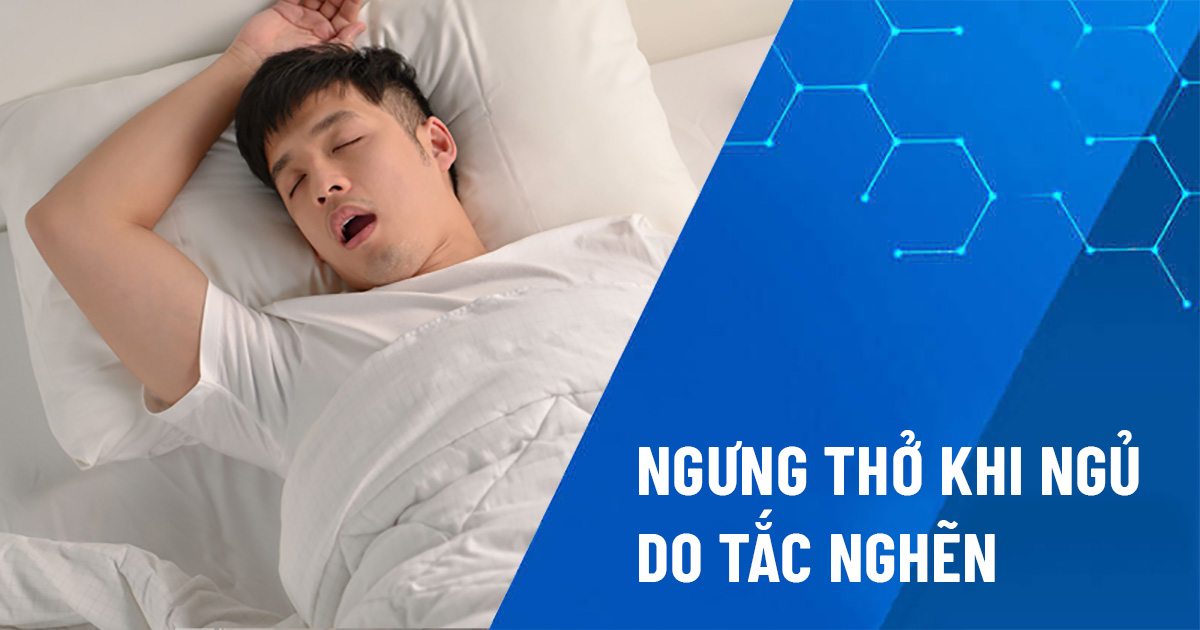
Sau những ngày thiếu ngủ hoặc làm việc căng thẳng không gì tuyệt vời hơn là được ngủ nướng để phục hồi. Tuy nhiên ngủ nướng thường xuyên liệu có tốt? Cùng ECO Pharma tìm hiểu chi tiết trong bài viết sau đây.

Xét về hành vi thì ngủ nướng được hiểu nôm na là việc ngủ kéo dài quá giờ thức dậy thường lệ dẫn đến một giấc ngủ lệch với sinh lý tự nhiên. Quan niệm chung của xã hội trong mọi thời đại về ngủ nướng thì nó được coi đó là một thói xấu và thường được liên tưởng đến sự lười nhác.
Hành vi ngủ nướng thỉnh thoảng mới diễn ra, diễn ra lặp lại có tính chất chu kỳ nhưng cũng có thể là thường nhật. Một cá nhân chỉ trải qua một kiểu hành vi ngủ nướng vào một giai đoạn nào đó trong cuộc đời nhưng cũng có là hai hoặc cả ba kiểu. Điều này phụ thuộc chủ yếu vào môi trường sống, thói quen sinh hoạt và sức khỏe trong mỗi độ tuổi.
Sau một giấc ngủ kéo dài mọi người cảm thấy khoan khoái nhưng cũng có thể bị uể oải, nặng đầu, không tỉnh táo. Nhìn chung hành vi ngủ nướng đôi khi sẽ giúp ích cho sự phục hồi thể chất, tâm thần nhưng nếu trở thành thói quen thì không tốt cho sức khỏe và đời sống nói chung.
Nhiều nguyên nhân khác nhau có thể dẫn đến việc ngủ nướng. Ví dụ ngủ nướng hàng ngày thường xuất phát từ thói quen, mắc chứng rối loạn giấc ngủ mãn tính hoặc bệnh lý mãn tính; ngủ nướng vào cuối tuần xuất phát từ thói quen; thỉnh thoảng ngủ nướng xuất phát từ nhu cầu tạm thời của cơ thể muốn được nghỉ ngơi nhiều hơn sau một đợt mất ngủ, làm việc quá sức hoặc mới ốm dậy; ngủ nướng vào mùa đông xuất phát từ ảnh hưởng của thời tiết lạnh.
Các đợt đau bệnh do cảm cúm hoặc các đợt bùng phát của bệnh lý mãn tính khiến cơ thể suy kiệt và cần phải nghỉ ngơi nhiều hơn vì vậy giấc ngủ sẽ kéo dài hơn. Sau phẫu thuật bị mất máu nhiều và suy giảm miễn dịch cơ thể cũng có nhu cầu như vậy.
Nhưng để dẫn đến hành vi ngủ nướng triền miên thì rối loạn giấc ngủ mãn tính và trầm cảm có thể là nguyên nhân lớn nhất.
Thói quen sinh hoạt thường dẫn đến hành vi ngủ nướng thường xuyên, phổ biến nhất là thói quen thức khuya. Những người có thói quen thức khuya sẽ hay ngủ dậy trễ vì ngủ nướng như vậy mới đẫy giấc. Thói quen này hình thành từ sở thích cá nhân nhưng cũng có thể xuất phát từ sự bị động.
Ví dụ thói về quen thức khuya hình thành từ sở thích cá nhân chẳng hạn như thức khuya để xem phim, trò chuyện online, lướt mạng xã hội, chơi game; hoặc thức khuya để học tập, nghiên cứu vì đêm yên tĩnh nên dễ tập trung tốt hơn. Ví dụ về thói quen thức khuya hình thành từ sự bị động chẳng hạn như lao động ca đêm, làm những công việc thường xuyên bị quá tải không thể hoàn thành hết ban ngày, chăm sóc người thân đau bệnh mãn tính.

Trong điều kiện thời tiết lạnh cơ thể có xu hướng duy trì trạng thái nghỉ ngơi lâu hơn để giảm tiêu hao năng lượng và giữ ấm dẫn đến hành vi ngủ nướng. Hành vi ngủ nướng do thời tiết thường có tính chất chu kỳ lặp lại theo mùa, như ở Việt Nam thì là mùa đông (miền Bắc) và mùa mưa (miền Nam).
Ngoài thời tiết môi trường ngủ có thể là nguyên nhân dẫn đến hành vi ngủ nướng. Phòng ngủ bật máy lạnh ở mức nhiệt thấp dưới 20 độ C hoặc/và phòng ngủ quá tối, yên tĩnh làm giảm tín hiệu đánh thức cũng khiến não bộ khó tự thức dậy.
Khi không còn áp lực phải thức dậy đi làm não bộ sẽ tự cho phép kéo dài giấc ngủ. Hành vi ngủ nướng do nguyên nhân này cũng có tính chất chu kỳ lặp lại mỗi cuối tuần. Rất nhiều người trông chờ vào ngày cuối tuần để được ngủ xả láng tới giấc trưa thay vì dạo chơi, mua sắm.
Hành vi ngủ nướng đôi khi không hoàn toàn xấu vì có thể giúp phục hồi sức khỏe, tâm thần tạm thời. Nhưng nhìn chung nó là một kiểu sinh hoạt lệch nhịp sinh học, tức là phản khoa học. Tất cả các lối sống phản khoa học đều không tốt cho sức khỏe thậm chí dẫn đến bệnh tật.
Các nghiên cứu cho thấy ngủ – thức lệch nhịp sinh học liên quan đến nhiều vấn đề sức khỏe, chẳng hạn như:
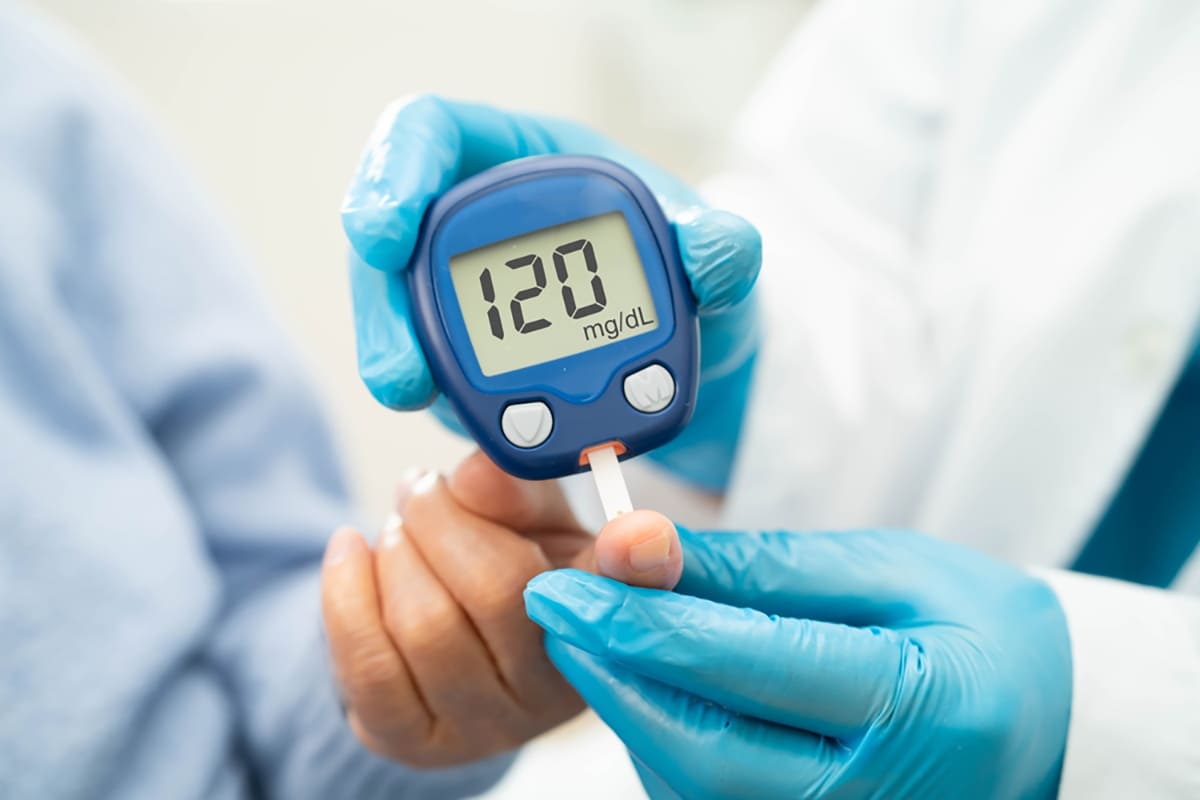
Ngủ nướng thường xuyên có thể làm tăng nguy cơ mắc bệnh tiểu đường do gây rối loạn đường huyết. Một phân tích gộp các nghiên cứu theo dõi dài hạn trên hơn 480.000 người từ Viện Y tế Quốc gia Mỹ (NIH) năm 2015 cho thấy ngủ quá giấc sinh lý 7 – 8 tiếng mỗi ngày làm tăng nguy cơ mắc bệnh tiểu đường type 2. Một nghiên cứu khác trên 36.000 người trưởng thành ở độ tuổi 50 được dẫn lại bởi Harvard năm 2024 cũng cho thấy nguy cơ mắc bệnh tiểu đường cao hơn 50% khi duy trì giấc ngủ khác với sinh lý bình thường.
Ngủ nướng thường xuyên cũng có liên quan đến nguy cơ tăng cân và béo phì. Nguy cơ này không đơn thuần chỉ do việc ngủ nhiều mà còn xuất phát từ những thay đổi sinh hoạt (là hệ quả từ việc ngủ nướng) vì thời gian ban ngày bị rút ngắn; Chẳng hạn như ít vận động, ăn uống thất thường, thậm chí xu hướng tiêu thụ thức ăn nhanh, đặc biệt là đồ ngọt và béo – đây đều là các yếu tố gây tăng cân nhanh. Ngoài ra ngủ nướng còn có thể làm thay đổi cách cơ thể điều hòa năng lượng và cảm giác đói – no dẫn đến nhu cầu ăn nhiều hơn và tăng cân khó kiểm soát. (1)
Ngủ nướng có thể gây đau đầu sau khi thức dậy do cơ thể trong trạng thái nằm kéo dài dẫn đến hệ tuần hoàn không hoạt động đúng cách theo chu kỳ sinh lý. Khi tuần hoàn máu kém não sẽ bị thiếu oxy dẫn đến đau đầu. Ngoài ra ngủ nướng còn có thể gây đau đầu do làm trễ hoặc bỏ dùng caffeine buổi sáng ở những người có thói quen tiêu thụ loại chất kích thích này. (2)
Trầm cảm có thể dẫn đến ngủ nướng nhưng ở chiều ngược lại nó có thể là hệ quả của hành vi ngủ này. Một phân tích tổng hợp 7 nghiên cứu tiền cứu từ NIH năm 2015 cho thấy ngủ dài có liên quan đáng kể đến nguy cơ trầm cảm gia tăng ở người trưởng thành; và mối liên quan này có tính hai chiều – trầm cảm làm thay đổi giấc ngủ trong khi ngủ quá nhiều làm rối loạn nhịp sinh học và ảnh hưởng tiêu cực đến tâm trạng.
Ngủ nướng có thể gây suy giảm trí nhớ và thính lực chủ yếu do làm rối loạn một số hoạt động của hệ thống thần kinh, miễn dịch và nhịp sinh học. Một đánh giá tổng quan từ NIH năm 2017 cho thấy rối loạn giấc ngủ làm tăng hoạt động thần kinh giao cảm, viêm mạn tính và rối loạn nhịp sinh học từ đó dẫn đến suy giảm trí nhớ ở người trưởng thành.
Đồng thời tình trạng viêm và tuần hoàn kém liên quan đến rối loạn giấc ngủ cũng có thể tác động đến tai trong và dây thần kinh thính giác làm giảm thính lực theo thời gian, đặc biệt ở người trung niên và cao tuổi.

Ngủ quá nhiều không giúp tim khỏe hơn như nhiều người vẫn nghĩ mà ngược lại còn làm tăng nguy cơ mắc bệnh tim mạch. Một nghiên cứu lớn đăng trên Tạp chí Tim Mạch Châu Âu cho thấy, người có thời lượng ngủ kéo dài có nguy cơ mắc hoặc tử vong do bệnh tim mạch tăng khoảng 41% so với người ngủ vừa đủ.
Ngủ nướng cũng làm tăng nguy cơ đột quỵ do gây ra các biến cố mạch máu cấp tính nghiêm trọng. Một phân tích tổng quan các nghiên cứu dịch tễ học cắt ngang và tiền cứu trên NIH 2024 ghi nhận người ngủ ≥ 9 giờ/ngày có nguy cơ đột quỵ và tử vong do đột quỵ cao hơn rõ rệt so với người ngủ 7 – 8 giờ. Thậm chí phân tích dữ liệu lớn tại Mỹ còn cho thấy nguy cơ đột quỵ ở nhóm ngủ dài cao hơn gần gấp đôi so với nhóm ngủ ngắn và có liên quan đến tiểu đường, rung nhĩ, viêm mạn tính, xơ cứng động mạch, rối loạn huyết áp.
Ngoài ra về phương diện xã hội hành vi ngủ nướng có thể làm xấu đi hình ảnh của cá nhân trong mắt mọi người. Nó cũng gây ra các phiền toái đáng kể trong công việc, đời sống do làm lệch thời gian sinh hoạt với xã hội.
Vì hành vi ngủ nướng xuất phát từ các yếu tố chủ quan và khách quan khác nhau nên sẽ cần có các biện pháp ngăn chặn khác nhau. Đối với hành vi ngủ nướng xuất phát từ sở thích (ví dụ thích ngủ triền miên vào cuối tuần, ngày nghỉ) điều quan trọng là cần đổi sang một sở thích khác; chẳng hạn như thay vì dành thời gian nghỉ để ngủ thì hãy chuyển sang dành thời gian chơi một môn thể thao yêu thích, đến thư viện đọc sách hoặc đi mua sắm. Đối với ngủ nướng do các yếu tố thời tiết mưa, lạnh, không gian ngủ quá lý tưởng hãy đặt báo thức hoặc nhờ người nhà gọi dậy. Đối với ngủ nướng do thói quen thức khuya, điều chỉnh giờ đi ngủ sớm hơn sẽ giảm được nhu cầu ngủ kéo dài. Đối với ngủ nướng do đau bệnh quan trọng nhất là cần phải chữa khỏi hoặc kiểm soát tốt bệnh tật mắc phải.
Hãy thử một số biện pháp ổn định nhịp ngủ – thức cụ thể sau đây để ngăn hành vi ngủ nướng do nó có thể giúp ngủ đủ thời lượng.

Một số thắc mắc xoay quanh việc ngủ nướng thường gặp như:
Như đã trình bày ở nội dung trước ngủ nướng có thể gây thừa cân, béo phì do làm giảm vận động ban ngày, rối loạn ăn uống, đặc biệt là tăng nhu cầu tiêu thụ đồ ăn thức uống không lành mạnh.
Ngủ nướng có thể là một giải pháp bù đắp thiếu ngủ tạm thời nhưng trong dài hạn sẽ gây ra các vấn đề về sức khỏe. Nó tương tự như việc dùng thuốc giảm đau chỉ giải quyết được triệu chứng đau tạm thời nhưng không chữa được khỏi bệnh và lạm dụng sẽ dẫn đến những hậu quả khó lường.
Tóm lại ngủ nướng là một hành vi ngủ phản khoa học và có thể dẫn đến các hệ luỵ sức khỏe lâu dài cũng như hình ảnh xấu về mặt xã hội. Vì vậy đôi khi một cá nhân có thể nuông chiều bản thân bằng việc ngủ nướng nhưng cố gắng đừng biến nó thành thói quen.