Rau má được dùng làm rau hoặc nước ép nhưng cũng là một vị thuốc trong y học cổ truyền. Ngày nay các nhà khoa học khám phá ra một số thành phần hóa học của rau má có tiềm năng cho các vấn đề da liễu. Đã có nhiều sản phẩm chăm sóc da từ rau má được phát triển, đặc biệt là các dòng trị mụn và ngừa nám. Cùng ECO Pharma khám phá xem vì sao rau má có tiềm năng cho da nám và những cách trị nám bằng rau má như thế nào qua bài viết sau đây.

Rau má có trị nám được không? Không chỉ được biết đến về khả năng ngăn ngừa và trị mụn trứng cá, một số nghiên cứu còn khám phá ra tiềm năng của nó trong việc ngăn ngừa hoặc làm mờ nám da.
Theo một nghiên cứu trên Tạp chí Y học phân tử (Hy Lạp), các axit asiatic, asiaticoside và axit madecassic trong chiết xuất rau má có thể giúp giảm lượng melanin trong các tế bào biểu bì tạo hắc tố (melanocyte). Trong đó, asiaticoside là thành phần đóng vai trò chính trong việc ngăn ngừa sự hình thành melanin bằng cách ức chế biểu hiện mRNA của enzyme tyrosinase. (1)
Thử nghiệm khác trên Tạp chí Khoa học Cây thuốc Hàn Quốc cũng cho thấy, chiết xuất rau má có khả năng chống tia UV, ngăn ngừa lão hóa và ức chế tyrosinase – enzyme tham gia tổng hợp melanin gây nám. (2)
Ngoài ngừa nám hoặc làm giảm nám, rau má còn mang đến nhiều lợi ích tiềm năng khác cho làn da như dưỡng ẩm, củng cố hàng rào bảo vệ, ngăn ngừa lão hóa, mụn trứng cá, tăng sinh collagen để làm mờ sắc tố da. Theo nghiên cứu năm 2016, chiết xuất rau má giàu saponin triterpenoid, flavonoid, axit phenolic, steroid triterpenic và axit amin. (3)
Những thành phần này có khả năng cấp ẩm, kháng viêm, làm dịu da khô và thúc đẩy quá trình lành thương. Các phenolic, flavonoid của nó còn bảo vệ da khỏi tác nhân môi trường như ô nhiễm, tia UV. Thử nghiệm năm 2021 cho thấy, rau má có thể giúp cải thiện hàng rào bảo vệ ở các công nhân bị tổn thương da do thuốc dệt vải và làm giảm nguy cơ viêm da tiếp xúc. (4)
Ngoài ra, hợp chất madecassoside và asiaticoside của rau má thúc đẩy sản xuất collagen – một chất quyết định khả năng đàn hồi và tươi trẻ của làn da. Loại thảo dược này còn chứa triterpenoid – một chất có khả năng tăng cường lưu lượng máu đến vết thương để da được chữa lành nhanh hơn. Nó cũng có khả năng giảm hình thành sẹo lồi.
Vì những lợi ích tuyệt vời như vậy nên dùng rau má đắp ngoài da là biện pháp tốt để chăm sóc da nám khỏe mạnh để làm chậm sự phát triển của nám da. Những cách trị nám bằng rau má dưới đây có thể hữu ích:
Đây là cách dùng rau má trị nám da đơn giản, dễ thực hiện, không cần pha trộn thêm nguyên liệu nào khác. Bạn chỉ cần rửa sạch một nắm rau má, xay nhuyễn, đắp lên da sạch, massage nhẹ nhàng, giữ 20 phút rồi rửa lại.
Sữa chua hoạt động như một chất tẩy tế bào chết tự nhiên nhờ chứa axit lactic, giúp cải thiện màu da sáng, giảm sự xuất hiện của các đốm đen. Vitamin C, vitamin E trong sữa chua là các chất chống oxy hóa mạnh có thể trung hòa gốc tự do gây hại, bảo vệ da khỏi tia UV và ngăn ngừa sạm nám.
Vì vậy, kết hợp sữa chua và rau má trị nám da mặt là biện pháp tốt để thử tại nhà. Công thức gồm 30g rau má, xay nhuyễn, trộn với 2 muỗng sữa chua. Bạn dùng thoa lên da sạch, massage thư giãn, sau 20 phút thì rửa sạch mặt.
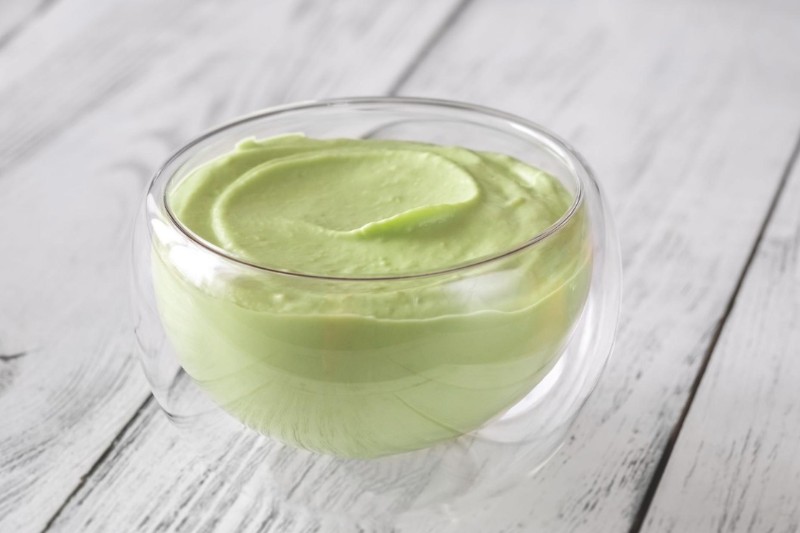
Mật ong chứa axit alpha-hydroxy (AHA) giúp loại bỏ da chết, thúc đẩy sự phát triển của tế bào mới, cải thiện màu da sáng mịn. Nhờ chứa nhiều chất chống oxy hóa, mật ong cũng bảo vệ da khỏi các gốc tự do, hỗ trợ tái tạo da, mang lại vẻ ngoài tươi sáng.
Khi thêm sữa chua vào công thức trị nám bằng rau má, hiệu quả sẽ được nâng cao đáng kể. Bạn rửa sạch một nắm rau má, xay nhuyễn, trộn với một muỗng mật ong tạo thành hỗn hợp. Sau khi vệ sinh da sạch, bạn thoa đều lên da, massage nhẹ nhàng, giữ 20 phút rồi rửa lại với nước.
>>Xem thêm: Cách trị nám bằng mật ong tại nhà.
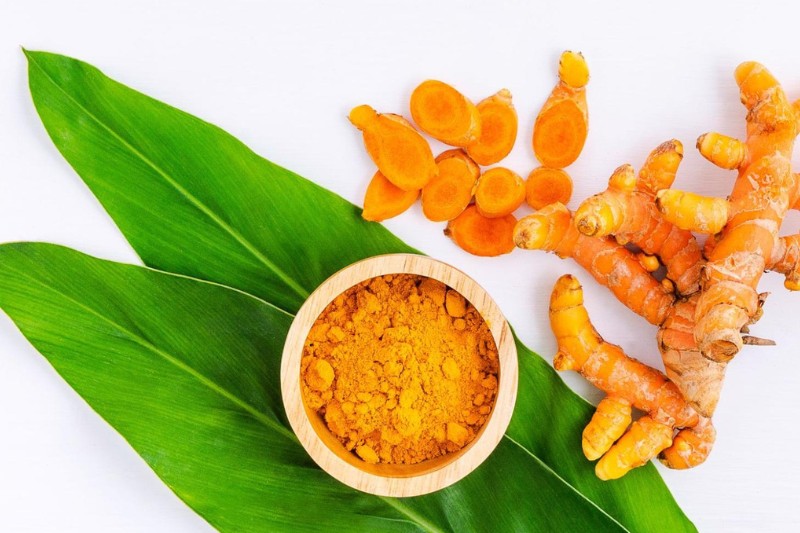
Nghệ là thành phần quen thuộc trong các sản phẩm dưỡng trắng da nhờ chứa hoạt chất curcumin. Đây là thành phần chống oxy hóa, chống viêm, bảo vệ da khỏi tia UV – tác nhân chính gây sạm nám. Curcumin cũng ức chế sản xuất tyrosinase và melanin, hai thành phần tham gia vào quá trình tổng hợp melanin làm da sạm màu.
Để chăm sóc da nám, bạn rửa sạch 100g rau má, xay nhuyễn, lọc bỏ bã, trộn với một muỗng nhỏ bột nghệ. Hỗn hợp này dùng bằng cách thoa lên da sạch, giữ 20 phút rồi rửa mặt lại.
Theo nghiên cứu trên Tạp chí Y học Thành phố Hồ Chí Minh năm 2016, diếp cá là thành phần làm trắng da an toàn. Loại rau này có hoạt tính chống oxy hóa cao và khả năng ức chế biểu hiện một số gen liên quan đến quá trình tổng hợp sắc tố như tyrosinase, TRP-1, TRP-2; đồng thời không gây độc tế bào. Do đó, công thức rau diếp cá và rau má có thể hỗ trợ ức chế hình thành melanin gây nám, cải thiện tông da sáng mịn.
Công thức này là một nắm rau má và rau diếp cá rửa sạch, xay nhuyễn, lọc lấy nước. Sau khi vệ sinh da sạch, bạn thoa hỗn hợp lên vùng da nám khoảng 20 phút rồi rửa mặt lại.
>>Tham khảo thêm: Cách trị nám bằng rau diếp cá.
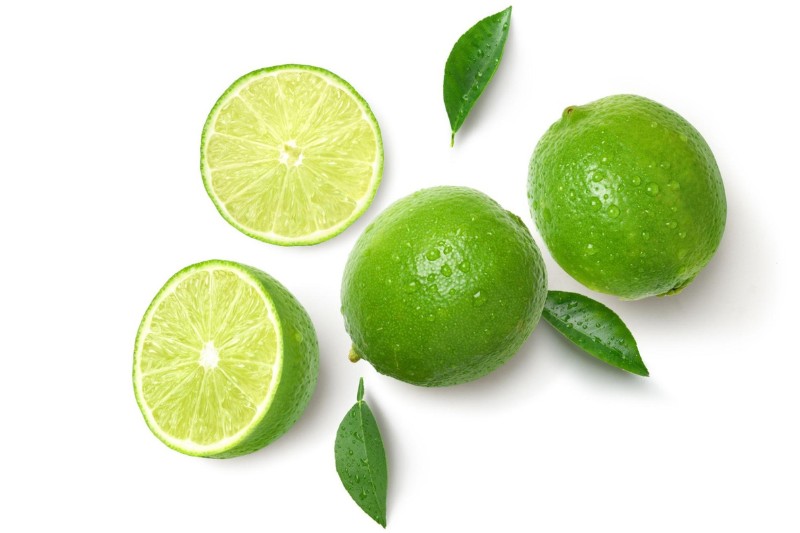
Nước chanh giàu các thành phần có khả năng làm trắng tự nhiên như vitamin C, axit citric. Những chất này giúp làm mờ đốm đen, cải thiện tông da sáng. Do chanh có tính axit cao, nên cần dùng kết hợp với các nguyên liệu tự nhiên khác để tránh kích ứng, khô da. Rau má được xem là lựa chọn lành tính, rất tốt khi sử dụng cùng chanh.
Để thực hiện, bạn rửa sạch 30g rau má, xay nhuyễn, trộn với một muỗng nước chanh. Bạn thoa hỗn hợp lên da sạch, massage nhẹ nhàng để dưỡng chất thấm sâu, giữ 15 phút rồi rửa lại mặt.
Dầu dừa làm mờ các vết thâm và đốm đen nhờ giàu vitamin E. Chất này tác dụng chính là chống oxy hóa, nó cũng có khả năng cấp ẩm và cải thiện màu da sáng hơn. Ngoài ra, axit béo của dầu dừa dưỡng ẩm tốt, vì vậy có thể giúp cải thiện tình trạng khô ráp thường thấy ở da nám.
Cách trị nám bằng rau má và dầu dừa chỉ đơn giản là rửa sạch một nắm rau má, xay nhuyễn, trộn với một muỗng nhỏ dầu dừa. Sau khi làm sạch da, bạn thoa hỗn hợp lên, massage thư giãn, giữ 15 phút rồi rửa mặt lại.
Rau má có trị nám không? Khả năng ức chế melanin gây nám của rau má đã được chứng minh qua một số nghiên cứu mà ECO Pharma đề cập ở trên, tuy nhiên đều ở dạng chiết xuất hoặc dùng dưới sự hỗ trợ của kỹ thuật chuyên sâu. Điều này có nghĩa là sẽ có sự khác biệt rất lớn khi dùng rau má dưới dạng thô và thủ công như các mặt nạ được giới thiệu ở phần trên.
Đối với mặt nạ rau má thủ công tại nhà, không nên coi là phương pháp điều trị nám. Bởi vì chúng chỉ có tác dụng dưỡng da khỏe mạnh chủ yếu từ việc cấp ẩm và dinh dưỡng. Da khỏe mạnh, đủ độ ẩm là yếu tố cần thiết để hạn chế tác động xấu của các yếu tố gây hại nội sinh và môi trường, từ đó làm chậm sự phát triển của nám da.
Những cách dùng rau má trị nám da được chia sẻ trên đây nhìn chung là an toàn, tuy nhiên bạn vẫn cần lưu ý:

Một số vấn đề khác liên quan đến trị nám bằng rau má được nhiều người quan tâm:
Cũng như mặt nạ trị nám, nước ép rau má không thể điều trị được nám. Tuy nhiên loại nước ép này giúp thanh nhiệt, giải độc và cung cấp dinh dưỡng nên tốt cho làn da. Nhưng bạn cần uống nguyên chất mà không thêm đường, vì đường kích hoạt viêm và thúc đẩy lão hóa nên không tốt cho da.
Rau má không nên nạp quá 30g đến 40g mỗi ngày, cũng không dùng nước ép rau má thay nước lọc.
Rau má thường an toàn, lành tính kể cả với da nhạy cảm. Nhưng nếu lần đầu sử dụng mà cảm thấy da không dễ chịu, bạn không cần phải cố gắng dùng tiếp. Còn có nhiều loại mặt nạ khác phù hợp hơn cho da để lựa chọn. Vì vậy hãy tiếp tục thử nghiệm để tìm ra loại mặt nạ mà bạn cảm nhận sự dễ chịu và hiệu quả nhất.
Người thể hàn, người mắc bệnh tiểu đường, gan, thận, người đang dùng thuốc điều trị không nên dùng rau má qua đường uống. Đối với dùng ngoài da, người có vết thương hở, nhiễm trùng hoặc mắc bệnh da liễu khác không nên dùng rau má.
Những cách trị nám bằng rau má có thể làm da nhạy cảm hơn với ánh nắng mặt trời. Vì vậy, bạn cần bôi kem chống nắng chỉ số SPF từ 50 trở lên, ít nhất 10 phút trước khi ra ngoài để bảo vệ da khỏi tác hại của tia UV. Và che chắn da kỹ lưỡng bằng khẩu trang, mũ rộng vành, kính râm, khăn choàng.
Chiết xuất rau má có tiềm năng ngăn ngừa và trị nám da, nhưng rau má dùng dạng thô như mặt nạ handmade thì không thể trị nám. Mặc dù vậy chúng giúp dưỡng da khỏe mạnh để hỗ trợ tốt cho các phương pháp điều trị nám. Chúng cũng có thể làm giảm thiểu hoạt động của các tác nhân gây hại cho da bên trong cơ thể và bên ngoài môi trường. Vì vậy, bạn hãy thử những cách trị nám bằng rau má ở trên, cảm nhận để quyết định xem có nên dùng rau má để chăm sóc da lâu dài hay không.